


Lion's Mane Mushroom: Origins, Compounds, and the Science So Far
Lion's Mane is one of the more striking mushrooms you are likely to come across, and interest in it has grown quickly among people who cook with mushrooms and those who add mushroom extracts to their daily routine. This guide is a plain, factual introduction: what the mushroom actually is, how it is grown, and the compounds it naturally contains. We have kept it deliberately measured. Where research is mentioned, it is only to be clear about what is and is not established.
What Lion's Mane is
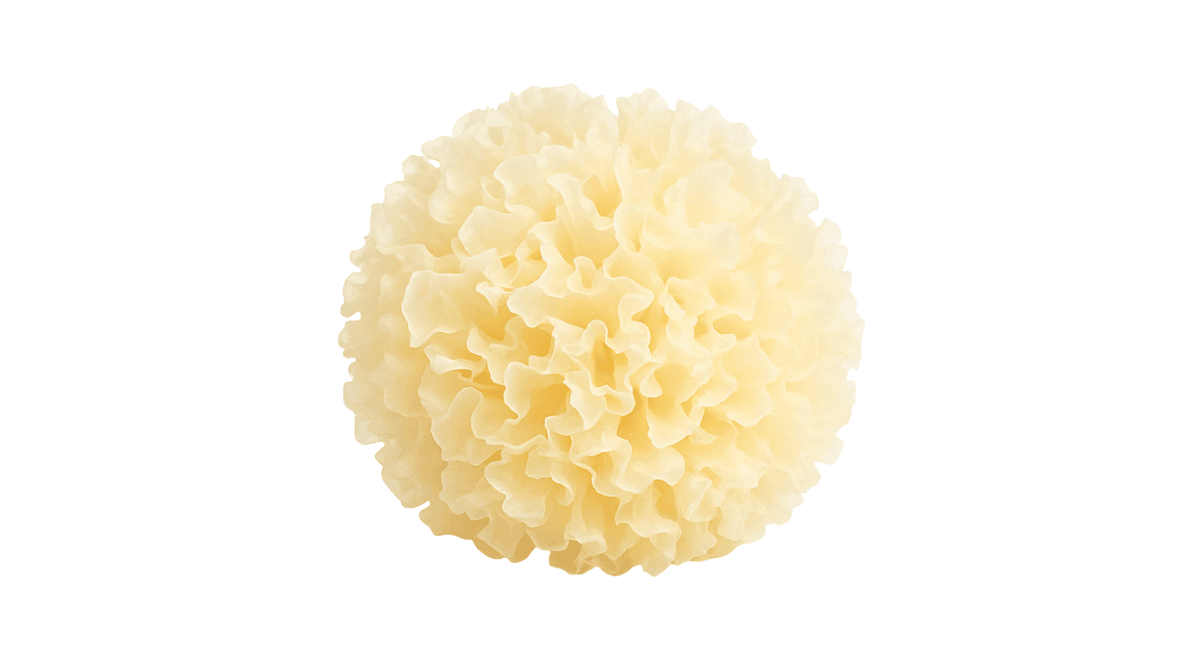
Lion's Mane is the common name for Hericium erinaceus, an edible fungus in the Hericiaceae family. Rather than the familiar cap-and-stem shape, it grows as a rounded white cluster of long, soft, cascading spines, which is where its common names come from — it is also known as bearded tooth, pom-pom mushroom or, in Japan, yamabushitake.
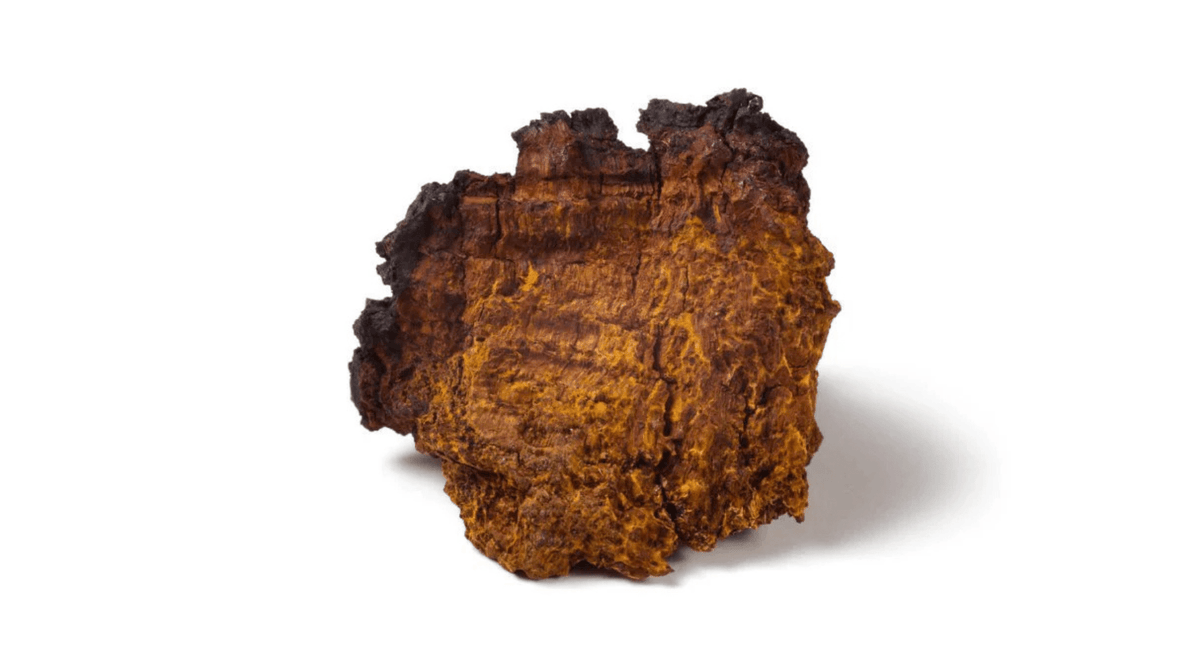
In the wild it is found across the temperate Northern Hemisphere, including parts of Europe, North America and Asia, typically growing on hardwood trees such as beech and oak, often on dead or wounded trunks. It has a long history as a culinary ingredient, particularly in East Asian cooking, where its texture when cooked is sometimes compared to seafood such as crab or lobster. When young and fresh it is white; with age the spines can yellow or brown.
How it is grown, and the fruiting body vs. mycelium distinction
Most Lion's Mane sold today is cultivated rather than foraged, which allows for consistent, food-safe production. Growers typically use a substrate of hardwood sawdust or supplemented grain, from which the mushroom is encouraged to fruit.
One distinction is worth understanding:
- Fruiting body is the actual mushroom — the visible white, spined structure you would recognise and cook with.
- Mycelium is the fine, root-like network the fungus produces as it grows. In commercial production, mycelium is often grown on grain and then harvested together with that grain.
This is relevant because a product made from grain-grown mycelium can contain a significant amount of residual starch from the growing substrate. That starch dilutes the mushroom content and can inflate carbohydrate readings. Neither is inherently "fake", but they are different materials.
Naturally occurring compounds, named neutrally
Lion's Mane, like other mushrooms, contains a range of naturally occurring compounds. A few are named often enough that it is worth knowing what they are — while being clear that naming a compound is not the same as claiming it does anything.
- Hericenones and erinacines are naturally occurring compounds associated with Hericium erinaceus. They are the subject of ongoing scientific research. Their presence does not mean the mushroom has any established effect on the body or mind.
- Beta-glucans are a type of polysaccharide found in the cell walls of many mushrooms.
That is as far as it is honest to go. Research into these compounds is early-stage and, at the time of writing, does not establish any health effect in people. We would rather tell you that plainly than dress it up.
How people use it in a daily routine
Lion's Mane extract powder is most often used as a food ingredient. People commonly stir it into their morning coffee — it blends well with the flavour — or into tea, hot chocolate, smoothies, or porridge and other breakfast dishes. A small measured amount is typically added and mixed as you would any powdered ingredient. Capsules are simply a more portable, taste-free way to include the same extract in a daily routine. However you take it, treat it as you would any food you enjoy having as part of your day.
An honest note on the research
It is easy to find confident claims about Lion's Mane online. We would rather be straight with you: the scientific study of this mushroom and its compounds is still at an early stage, much of it preliminary or conducted in laboratory or animal settings, and it does not establish any health effect in people. We describe Lion's Mane as a food and as a subject of ongoing research — nothing more.
Frequently asked questions
How do I use the powder?
Stir a measured amount into coffee, tea, a smoothie or your breakfast, as you would any powdered food ingredient. It mixes most easily into a warm liquid.
How much should I use?
There is no official recommended intake for Lion's Mane. A serving of our powder is 2g, about one level teaspoon, once or twice a day, as on the label. Treat it as a food.
Shop our Lion's Mane Mushroom Extract Powder →
Or explore our full Lion's Mane collection.
Food supplements should be part of a varied, balanced diet and a healthy lifestyle, not a substitute for one. If you are pregnant, breastfeeding, taking any medication, or managing a health condition, please consult a qualified healthcare professional before using this or any food supplement.
2 comments
Interested to try different lions mane products.
Janet Conroy
Even more reason not to cut down trees
Jessica Coote
Leave a comment
This site is protected by hCaptcha and the hCaptcha Privacy Policy and Terms of Service apply.